
Selling Inherited Land or Acreage: What’s Different From a House
Selling inherited land or acreage is different from selling a house, from pricing to marketing to who’s likely to buy. Here’s what to know before you list.
Selling inherited land or acreage involves many of the same probate steps as selling a house, but the details of pricing, marketing, and buyer expectations can look quite different. Here’s what to know if the inherited property is vacant land, farmland, or a larger parcel of acreage.
Pricing Land Works Differently Than Pricing a Home
Unlike a house, where recent comparable sales are usually easy to find, land can be harder to price because fewer similar properties may have sold nearby, and value can vary widely based on size, usability, and location. A CMA for land often draws from a wider area and factors in price per acre rather than price per square foot.
Know What the Land Is Zoned and Used For
Zoning and current use, such as agricultural, residential, or recreational, can significantly affect both value and who’s likely to be interested in buying. It’s worth confirming this information early, since it shapes how the property should be marketed.
Access, Utilities, and Boundaries Matter More
Buyers of land want to know how the property is accessed, whether utilities like water, electricity, and septic are available or would need to be added, and where the property lines actually fall. A survey may be necessary if boundaries aren’t already clearly established.
The Buyer Pool Looks Different
Land buyers often include farmers, developers, investors, hunters, and people looking to build a home, rather than typical homebuyers. Understanding who’s most likely to want the property helps shape pricing and marketing strategy.
Mineral and Water Rights May Be Part of the Picture
Depending on where the land is located, mineral rights, water rights, or easements may be included with the property, excluded from it, or shared with others. These details can affect both value and buyer interest, so it’s important to understand what is and isn’t being conveyed with the sale.
Marketing Land Takes a Different Approach
Land typically doesn’t show the same way a house does. Aerial photos, plat maps, and clear information about acreage, access, and potential uses tend to matter more than staging or curb appeal.
Selling inherited land or acreage has its own learning curve, especially on top of the probate process. Working with a real estate agent who has experience with both probate and land sales can help you navigate the details specific to this type of property.

Your Attorney and Your Real Estate Agent: Who Handles What During Probate
During probate, your attorney and your real estate agent each play a distinct role. Here’s a clear breakdown of who handles what, so you know exactly who to call.
Selling a home during probate often involves both a probate attorney and a real estate agent. Understanding where each one’s role begins and ends can make the process much less confusing.
What Your Probate Attorney Handles
A probate attorney guides the legal process of settling the estate, including filing court documents, confirming the executor’s or administrator’s authority, resolving disputes among heirs, and advising on the legal requirements specific to your state and county. If court approval is needed to sell the property, your attorney typically handles that process.
What Your Real Estate Agent Handles
A real estate agent handles the practical side of selling the property: pricing it accurately, preparing it for market, marketing it to buyers, negotiating offers, and managing the transaction through closing. An agent experienced in probate sales also understands how to work within the timelines and requirements a probate case can involve.
Where the Two Roles Overlap
Some steps benefit from both perspectives, such as reviewing a purchase contract before it’s signed or coordinating the closing timeline around court dates. A good attorney and agent will communicate with each other to keep the process moving smoothly.
Why You Likely Need Both
Trying to handle a probate sale with only one of these professionals often leads to delays or complications. An attorney generally isn’t equipped to market and sell a home, and a real estate agent typically isn’t licensed to give legal advice. Having both means each part of the process is handled by someone qualified for it.
Questions Your Attorney Can Answer That Your Agent Can’t
Things like whether probate is required in your situation, how to resolve a dispute between heirs, what your legal responsibilities are as an executor, and how proceeds should be distributed are all matters for your attorney.
Questions Your Agent Can Answer That Your Attorney Can’t
Things like what the home is likely worth in today’s market, what repairs are worth making before listing, how to prepare the home for showings, and how to evaluate a specific offer are all matters for your real estate agent.
Knowing which professional to call for which question can save time and reduce stress during an already difficult process. A real estate agent experienced in probate sales can also help you understand when it’s time to loop in your attorney.

What Is a CMA, and Why It Matters More in a Probate Sale
A CMA gives you a realistic, data-based price for an inherited property. Here’s what it is and why it matters even more when court approval or multiple heirs are involved.
When you sell a home, pricing it correctly from the start matters, and that’s especially true in a probate sale. Here’s what a CMA is, and why it plays an even bigger role when a court, an executor, or multiple heirs are involved.
What a CMA Actually Is
A Comparative Market Analysis, or CMA, is a report that estimates a home’s value by comparing it to similar properties that have recently sold, are currently listed, or didn’t sell in the same area. It gives sellers a realistic, data-based starting point for pricing.
Why Pricing Accuracy Matters More in Probate
In a probate sale, the property may need court approval, and multiple heirs or beneficiaries often have a stake in the outcome. Pricing too high can lead to a stalled sale, while pricing too low can raise questions from the court or other interested parties. A well-supported CMA helps set a price that’s realistic and defensible.
How a CMA Differs From an Appraisal
A CMA is prepared by a real estate agent using market data and comparable sales, while an appraisal is a formal valuation performed by a licensed appraiser, often required for loan or court purposes. Many probate sales benefit from having both, especially when court approval is part of the process.
What Goes Into a Strong CMA
A thorough CMA looks at recent comparable sales, current competing listings, the property’s condition, location, and any unique features, as well as broader market trends. For inherited homes, an agent experienced in probate will also factor in as-is condition and how that affects buyer interest.
How a CMA Can Support the Probate Process
Executors and administrators often have a duty to sell estate property for a fair value. A documented CMA can help demonstrate that the listing price was reasonable and based on sound market data, which can be useful if the sale is ever questioned by the court or other heirs.
Getting a CMA Early Helps Everyone
Requesting a CMA early in the process gives everyone involved, heirs, the executor, and the attorney, a clearer picture of what to expect financially, which can make planning and decision-making easier from the start.
A CMA is one of the most useful tools for pricing a probate property correctly the first time. Working with a real estate agent experienced in probate sales ensures the analysis accounts for the unique factors these situations involve.

Multiple Heirs, One Property: Making Shared Decisions Without Family Conflict
When more than one heir inherits a property, decisions can get complicated fast. Here’s how families can make shared decisions and sell together without unnecessary conflict.
When a property is inherited by more than one heir, decisions that used to be simple can become complicated fast. Here’s how families can navigate shared ownership with less friction.
Start by Understanding Everyone’s Rights
When multiple heirs inherit a property together, each one typically has an equal say in decisions about the property, regardless of who lives closest or handles the most day-to-day tasks. Knowing this upfront can prevent misunderstandings later.
Talk About Goals Before Talking About Logistics
Some heirs may want to sell quickly, others may want to keep the property, and some may be unsure. Having an honest conversation about what each person wants and needs from the situation, before diving into logistics, tends to prevent bigger conflicts down the road.
Put Agreements in Writing
Even among close family members, verbal agreements about repairs, listing price, or how proceeds will be split can be remembered differently by different people. Writing down decisions, even informally, helps keep everyone aligned.
Consider a Neutral Third Party
When emotions run high, it can help to involve a neutral professional, such as a probate-experienced real estate agent, mediator, or attorney, to help facilitate decisions and keep the process moving forward.
Know What Happens If Heirs Can’t Agree
If heirs can’t reach an agreement about what to do with an inherited property, there are legal processes, such as a partition action, that a court can use to help resolve the disagreement. This is generally considered a last resort, since it can be costly and time-consuming for everyone involved.
Keep Communication Open Throughout the Sale
Once a property is listed, staying in regular contact as offers, inspections, and paperwork move forward helps prevent surprises and keeps every heir informed and included.
Selling an inherited property with multiple heirs involved takes patience and clear communication, but it doesn’t have to mean conflict. A real estate agent experienced in probate sales can help keep the process organized and fair for everyone involved.

Clearing Out a Home: Personal Belongings, Estate Sales, and Donations Before Listing
Clearing out a loved one’s home is one of the hardest parts of settling an estate. Here’s how to approach belongings, estate sales, and donations before listing the property.
Before a home can be listed, it usually needs to be cleared out. For many families, this is one of the most emotional and time-consuming parts of the process. Here’s how to approach it.
Start With What the Family Wants to Keep
Before anything else, give family members a chance to identify sentimental items, photos, documents, and keepsakes they’d like to keep. This step often takes longer than expected, so it helps to build in time for it.
Sort Before You Sell or Donate
Once personal items are set aside, the rest of the home’s contents generally fall into a few categories: items worth selling, items worth donating, and items that need to be discarded. Sorting first makes the rest of the process much smoother.
Consider an Estate Sale or Auction
For homes with a significant amount of furniture, antiques, or collectibles, an estate sale or auction service can help the family recoup some value while efficiently clearing the space. These services typically handle pricing, staging, and the sale itself.
Donation Options for What’s Left
Many local charities and organizations accept furniture, clothing, and household goods in good condition. Donating what isn’t sold can be a meaningful way to honor a loved one while lightening the load.
Hire Help When It Makes Sense
Full clean-out services exist for a reason. If the family is spread out, short on time, or the volume of items is overwhelming, a professional clean-out crew can handle everything from sorting to hauling in a fraction of the time.
Why This Step Matters Before Listing
A cluttered or fully furnished home with decades of belongings can make it hard for buyers to picture themselves there, and it can slow down showings and inspections. Clearing the home is often one of the most valuable things you can do before putting it on the market.
This part of the process takes patience, and there’s no need to rush through it. A real estate agent experienced in probate can also point you toward trusted local resources for estate sales, donations, and clean-out help.

What Happens to a Mortgage on a House You Inherit?
What happens to a mortgage when you inherit a house, who’s responsible for payments during probate, and how heirs can assume or pay off the loan.
If the home you’ve inherited still has a mortgage on it, you’re probably wondering what happens next. Here’s what to know.
The Mortgage Doesn’t Disappear
Inheriting a home doesn’t erase its mortgage. The loan stays attached to the property, and payments generally need to continue being made, even during probate.
Who Is Responsible for Payments During Probate
Typically, the estate is responsible for keeping the mortgage current until the property is sold or transferred, though this can vary depending on the estate’s finances and the will’s instructions. Missing payments can put the property at risk of foreclosure, so it’s important to address this early.
Federal Law Protects Heirs Who Want to Keep the Home
Under federal law, heirs are generally allowed to assume an existing mortgage rather than being forced to qualify for a new loan, if they want to keep the property instead of selling it.
What If the Mortgage Balance Is Higher Than the Home’s Value
In some cases, what’s owed on the home exceeds its current market value. This affects how the estate can proceed and may require a conversation with the lender or an attorney about the options available.
Selling the Home With a Mortgage Still Attached
You can sell a home during probate even if there’s still a mortgage on it. At closing, the loan is typically paid off from the sale proceeds, and any remaining funds go to the estate.
Talk to the Lender Early
Reaching out to the mortgage servicer as soon as possible, and letting them know about the death and the probate process, can help avoid surprises and keep the loan in good standing while things are sorted out.
Mortgage questions are often one of the more stressful parts of handling an inherited property. An experienced agent and your attorney can help you understand where things stand and what your options are.
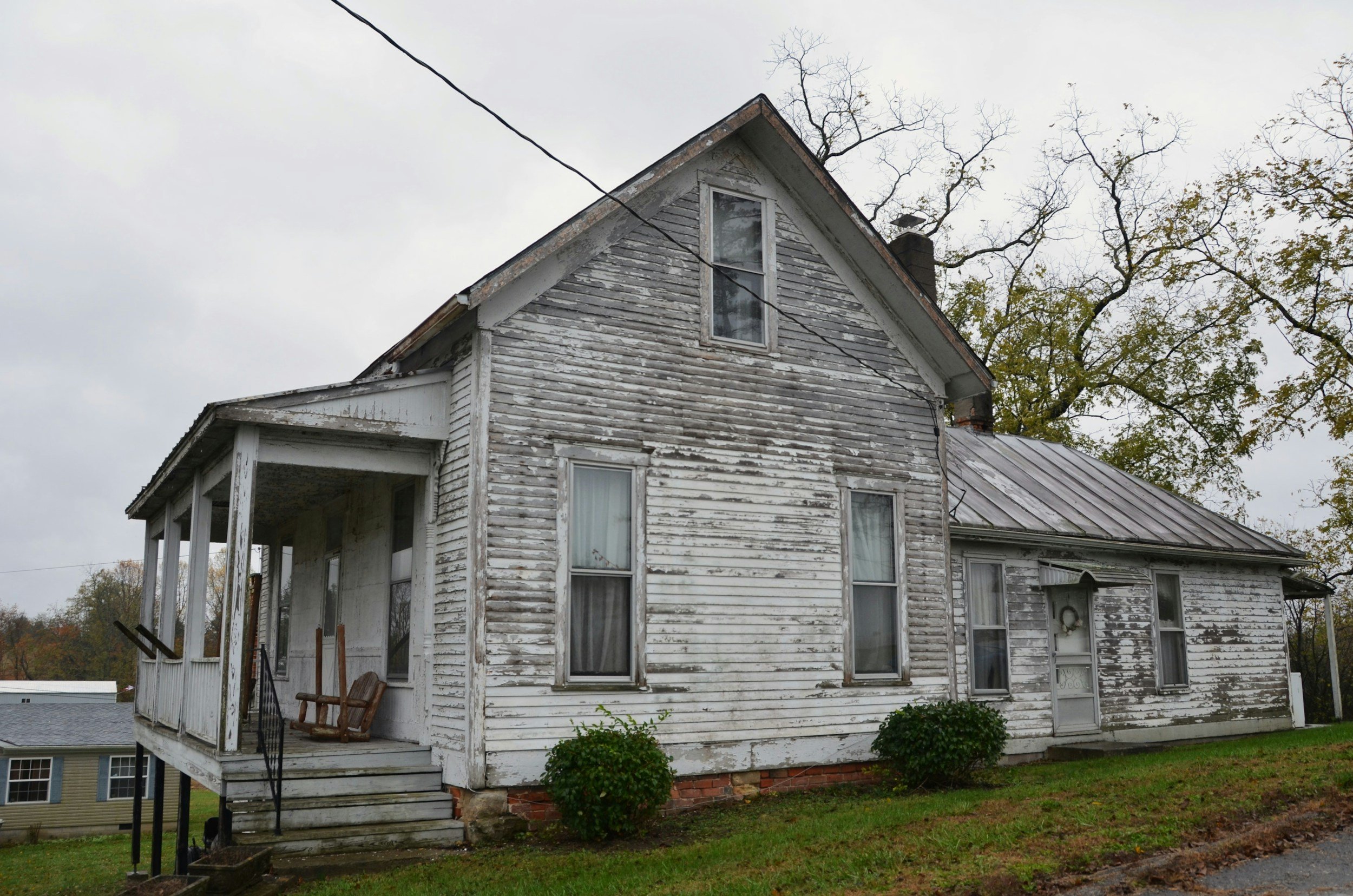
What “As-Is” Really Means to Buyers and Investors
What selling a home as-is actually means for Texas probate sellers, and what it doesn’t mean, including disclosures, pricing, and inspections.
“As-is” is one of the most common terms in probate real estate, but it’s also one of the most misunderstood. Here’s what it actually means, and what it doesn’t.
What “As-Is” Actually Means
Selling a property as-is means the seller isn’t planning to make repairs, upgrades, or improvements before closing. The buyer is agreeing to purchase the home in its current condition.
What “As-Is” Does Not Mean
As-is doesn’t mean you can hide known issues or skip legally required disclosures. Texas law still requires certain disclosures in most transactions, so it’s important to be upfront about what you know regarding the property’s condition.
Why Buyers and Investors Look for As-Is Listings
Investors and many cash buyers specifically look for as-is properties because they’ve built renovation costs into their offer and plan to handle updates themselves. This can work in your favor when a property needs work the estate isn’t in a position to do.
Does As-Is Mean a Lower Price?
Not necessarily. While an as-is home won’t be priced like a fully renovated one, pricing depends on the overall market, the property’s condition, and location, not just the as-is label. A knowledgeable agent can help price the home to reflect its true value to the right buyer.
Buyers Can Still Inspect the Property
Selling as-is doesn’t mean buyers skip an inspection. Most buyers, especially those financing the purchase, will still have the property inspected. As-is generally means you won’t be asked to make repairs based on what that inspection finds.
Is As-Is the Right Approach for Your Situation?
For many probate sales, especially where the estate doesn’t have funds or time to invest in repairs, selling as-is is the simplest and most practical path. An experienced agent can help you weigh whether it makes sense for your specific property and timeline.
If you’re not sure whether an as-is sale is the right move, that’s a conversation worth having early. It can shape everything from your listing strategy to your timeline.

Getting an Inherited Home Ready to Sell Without Overspending on Repairs
How to decide what’s worth fixing before selling an inherited home, and when selling as-is makes more financial sense.
One of the biggest questions heirs and executors face is how much to spend fixing up an inherited home before selling it. The honest answer: often less than you’d think.
Start With a Clear-Eyed Look at the Property
Before spending a dollar on repairs, it helps to understand the home’s actual condition and how it compares to similar homes in the area. A probate-experienced real estate agent can walk the property with you and point out what genuinely affects value versus what’s just cosmetic.
Know the Difference Between Must-Fix and Nice-to-Have
Some issues, like a leaking roof, foundation problems, or safety hazards, can affect a buyer’s ability to get financing or may need to be disclosed. Cosmetic items like dated paint colors or worn carpet rarely justify a big investment before selling.
Consider Your Buyer Pool
Many probate and inherited properties sell well to investors and cash buyers who expect to do their own updates. If that’s a realistic option for your property, extensive repairs may not be necessary at all.
Get More Than One Opinion Before You Spend
Before committing to a repair or renovation, it’s worth getting a second opinion, whether that’s from a contractor, an inspector, or your real estate agent, so you’re not overspending based on assumptions.
Weigh Repair Costs Against Likely Return
Not every dollar spent on a home comes back to you at closing. A good agent can help you understand which improvements are likely to help you net more, and which ones are unlikely to pay for themselves.
When Selling As-Is Makes More Sense
In many probate situations, selling as-is, without any repairs, is the simplest and most financially sound path, especially when the estate needs to settle within a certain timeframe or when family members don’t want to manage a renovation project long-distance.
You don’t have to guess about what’s worth fixing. A probate-experienced real estate agent can help you figure out a plan that fits both the home’s condition and your family’s timeline.

Executor vs. Administrator: What’s the Difference, and What Does Each Actually Do?
A plain-English breakdown of executors and administrators in Texas probate — what each role means, what they actually do, and what it means for selling estate property.
If you’ve been named to handle a loved one’s estate, you may be wondering whether you’re an executor or an administrator, and whether that distinction actually matters. Here’s a plain-English breakdown of both roles.
What Is an Executor?
An executor is the person named in a valid will to carry out the deceased’s wishes and manage their estate through probate. If your loved one left a will and named you in it, you’ll typically petition the court to be formally appointed as executor.
What Is an Administrator?
An administrator serves the same basic function, but is appointed when there’s no valid will, or when the will didn’t name someone able to serve. The probate court appoints an administrator, often a close family member, following Texas law’s order of priority.
What Do They Actually Do?
Whether you’re an executor or an administrator, the day-to-day responsibilities are largely the same: taking inventory of the estate’s assets, notifying creditors and paying valid debts, managing and protecting property (including real estate) during probate, filing required court documents and accountings, and eventually distributing what remains to the heirs or beneficiaries.
Do You Need an Attorney Either Way?
Yes. Whether you’re serving as executor or administrator, Texas probate has specific legal requirements, and a probate attorney can help make sure you’re meeting them correctly and on time.
What This Means If You’re Selling the Property
In both roles, you’ll generally need the court’s authority, often through Letters Testamentary for executors or Letters of Administration for administrators, before you can list, sell, or transfer real estate that belongs to the estate. Your real estate agent and attorney can work together once that authority is in place.
Whichever role you’re in, you don’t have to navigate it alone. An experienced attorney and a probate-savvy real estate agent can help you move through the process with confidence.

What to Do With a Loved One’s Home Right After They Pass
Practical first steps for executors and families deciding what to do with a loved one’s home right after they pass — before any decisions about selling.
Losing a loved one is overwhelming, and often within days or weeks, someone in the family also has to think about their home. If you’re an executor, administrator, or family member facing this right now, here are the practical first steps to take, before you have to make any big decisions about selling.
Secure the property
Change the locks if needed, make sure the home stays insured, and check that utilities are either kept on or properly shut off so pipes don’t freeze and the property doesn’t fall into disrepair.
Gather the essential documents
Look for the will, any trust documents, mortgage statements, property tax records, and insurance policies. You’ll need these regardless of what happens next.
Confirm who has legal authority
In most cases, an executor or administrator needs official authority from the probate court, often called Letters Testamentary or Letters of Administration, before they can sell, transfer, or make binding decisions about the property.
Don’t rush repairs or renovations
It’s tempting to start fixing up the house right away, but it’s worth waiting until you understand the property’s condition, the estate’s finances, and your options. Many repairs turn out not to be necessary before selling.
Loop in a probate attorney early
An attorney can walk you through what the court requires and how long the process may take in your specific case. Every estate is different.
Talk to a probate-experienced real estate agent
Once you have a sense of the timeline and who has authority, a real estate professional familiar with probate can help you understand the property’s value and your options, without pressuring you into a decision before you’re ready.
There’s no need to figure all of this out alone, and there’s no need to rush. Taking it one step at a time is enough.